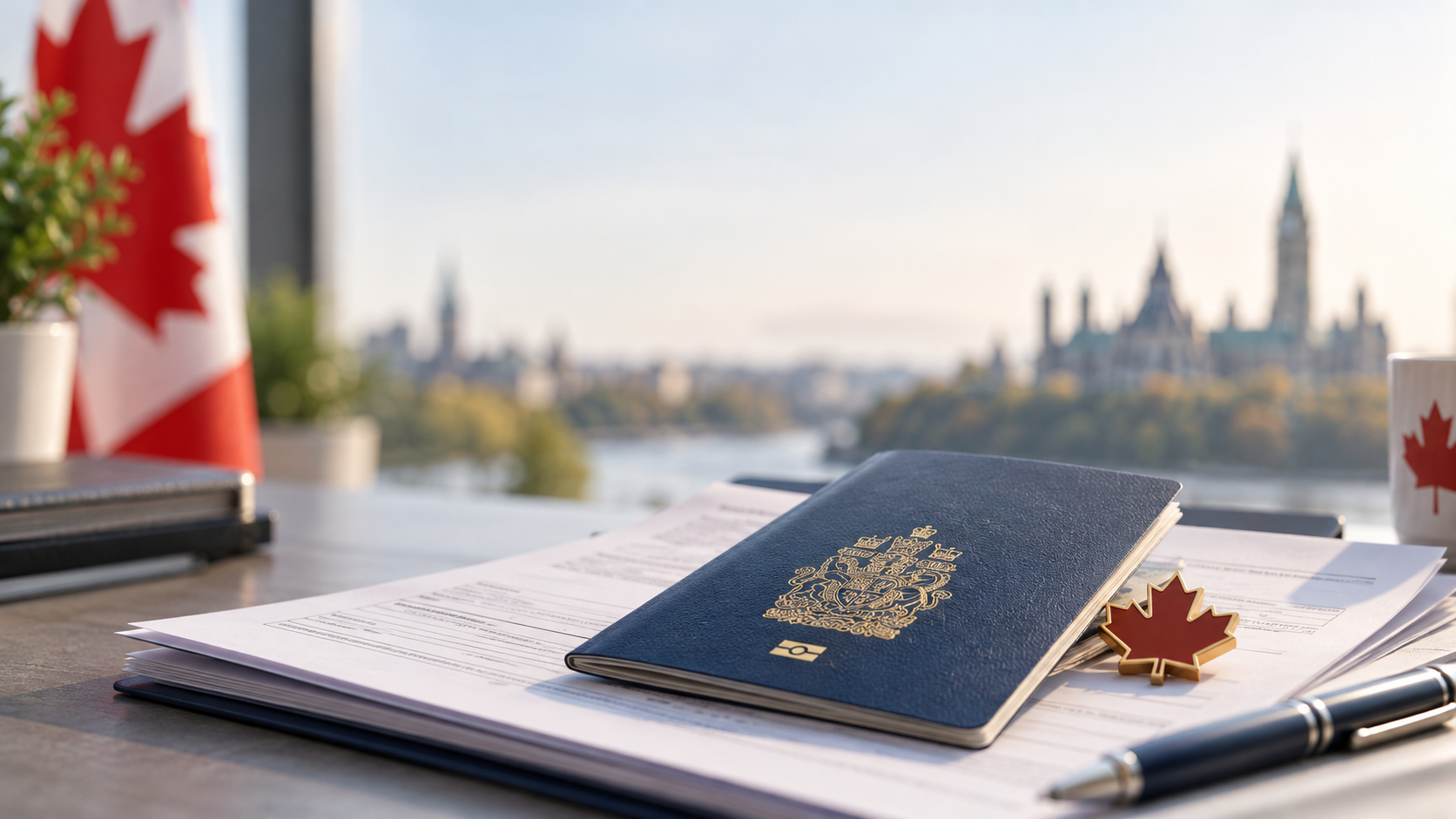
Canada Allows PNP Applicants to Apply for Work Permits Without AOR in 2026
Canada has introduced a significant temporary measure that provides relief to many foreign nationals waiting for their permanent residence applications to move through the system. As of June 2026, eligible Provincial Nominee Program (PNP) applicants can apply for certain work permits without first receiving an Acknowledgement of Receipt (AOR) from Immigration, Refugees and Citizenship Canada (IRCC).
This change is particularly important for workers whose current permits are nearing expiration and who need to maintain their legal authorization to work in Canada while their permanent residence applications are being processed.
If you are a provincial nominee currently waiting for your AOR, understanding how a PNP work permit without AOR works could help you avoid interruptions to your employment and immigration plans.
Understanding the New PNP Work Permit Without AOR Policy
Traditionally, many provincial nominees seeking a work permit extension or a Bridging Open Work Permit (BOWP) were required to submit an Acknowledgement of Receipt (AOR) from IRCC as proof that their permanent residence application had been received.
However, lengthy processing times and delays in issuing AORs created challenges for applicants who needed to extend their work authorization before receiving official confirmation from IRCC.
To address this issue, IRCC introduced temporary operational measures effective June 9, 2026, through December 31, 2026.
Under these measures, eligible applicants may use:
- Confirmation of permanent residence application submission through the online portal;
- Proof of payment of applicable permanent residence fees; and
- Internal IRCC system verification of the application status.
This temporary solution helps ensure that eligible provincial nominees can continue working in Canada while waiting for their permanent residence applications to progress.
Why Did Canada Introduce This Change?
Over the past several years, many applicants have experienced unusually long waits between submitting their permanent residence applications and receiving their AOR.
These delays created several challenges:
- Work permits expiring before an AOR was issued;
- Uncertainty regarding legal work status;
- Employment disruptions;
- Additional stress for applicants and their families.
By allowing alternative proof of submission, IRCC aims to reduce the risk of workers losing their authorization to work while waiting for administrative processing.
The policy recognizes that applicants should not be penalized simply because of delays beyond their control.
Who Is Eligible?
The temporary measures apply to certain foreign nationals already residing in Canada who have submitted a permanent residence application through the Provincial Nominee Program.
Eligible applicants may include:
Provincial Nominee Program Bridging Open Work Permit Applicants
Provincial nominees applying for a PNP Bridging Open Work Permit 2026 may qualify under the temporary measures if they have submitted their permanent residence application but have not yet received an AOR.
Employer-Specific Work Permit Applicants
Some provincial nominees may require an employer-specific work permit to continue working while their permanent residence application is pending.
If their nomination certificate has expired, they may still qualify under specific circumstances.
Eligible Spouses
Certain spouses of PNP applicants may also qualify for open work permits based on the principal applicant's status and eligibility.
What Documents Can Be Used Instead of an AOR?
Applicants who have not yet received an AOR may be able to provide alternative documentation.
Examples include:
- Online portal submission confirmation email;
- Payment receipt for permanent residence application fees;
- Additional supporting documentation requested by IRCC.
Immigration officers may also verify that a permanent residence application has been received and remains in progress through IRCC's internal systems.
It is important to note that once an AOR has been issued, applicants must submit the AOR rather than relying on alternative documentation.
PNP Work Permit Extension: Why Timing Matters
A PNP work permit extension should generally be submitted before your current work permit expires.
When a work permit extension application is submitted before expiration, applicants may benefit from maintained status.
Maintained status allows eligible foreign nationals to:
- Continue working legally in Canada;
- Remain under the same work conditions as their previous permit;
- Stay in Canada while the new application is being processed.
Failing to submit an extension application on time can create significant immigration complications and may affect future applications.
Because every situation is different, obtaining professional immigration guidance is often recommended.
What Is a Bridging Open Work Permit?
A Bridging Open Work Permit (BOWP) allows eligible permanent residence applicants to continue working in Canada while waiting for a final decision on their PR application.
Unlike employer-specific permits, a BOWP generally allows workers to change employers without obtaining a new Labour Market Impact Assessment (LMIA).
The PNP Bridging Open Work Permit 2026 remains one of the most valuable options available to eligible provincial nominees because it provides flexibility and continuity during the permanent residence process.
Benefits of a Bridging Open Work Permit
Some potential advantages include:
- Continued legal employment;
- Greater flexibility in changing jobs;
- Reduced risk of gaps in work authorization;
- Stability while waiting for PR approval.
Eligibility requirements vary depending on the immigration stream and individual circumstances.
How This Update Benefits Provincial Nominees
The new policy provides several practical benefits.
Reduced Risk of Losing Work Authorization
Applicants no longer need to wait for an AOR before exploring eligible work permit options.
Greater Employment Stability
Workers can continue supporting themselves and their families while their permanent residence application is processed.
Less Stress During Processing Delays
The temporary measures help reduce uncertainty caused by long administrative wait times.
Additional Support for Families
Eligible spouses may also benefit from open work permit opportunities under the updated measures.
Common Mistakes to Avoid
While the policy creates new opportunities, applicants should still exercise caution.
Common mistakes include:
Waiting Too Long to Apply
Submitting a work permit application after your current permit expires can create unnecessary complications.
Missing Supporting Documents
Ensure that submission confirmations and payment receipts are included when required.
Assuming the Policy Applies Outside Canada
These temporary measures primarily affect eligible applicants already inside Canada.
Not Reviewing Eligibility Requirements
Not every provincial nominee will qualify for every type of work permit.
Relying on Outdated Information
Immigration policies can change frequently. Always verify current requirements before submitting an application.
Why Provincial Nominees Trust Foothills Immigration
Navigating Canadian immigration rules can be challenging, especially when temporary policies and operational updates are involved.
If you are a provincial nominee waiting for your Acknowledgement of Receipt (AOR), understanding your eligibility for a Bridging Open Work Permit or employer-specific work permit is crucial.
The immigration professionals at Foothills Immigration can assess your situation, review your documentation, and help ensure your application is submitted correctly to maintain your legal status in Canada.
Whether you need assistance with:
- Provincial Nominee Program applications;
- Work permit extensions;
- Bridging Open Work Permits;
- Permanent residence applications;
- Spousal work permits;
Foothills Immigration can help guide you through the process and minimize the risk of delays or errors.
Final Thoughts
Canada's temporary policy allowing a PNP work permit without AOR provides welcome relief for provincial nominees facing long processing delays. By permitting alternative proof of permanent residence application submission, IRCC is helping eligible workers maintain legal status and continue contributing to the Canadian workforce while waiting for permanent residence decisions.
If you are considering a PNP work permit extension or exploring eligibility for a PNP Bridging Open Work Permit 2026, it is important to understand the latest requirements and submit a complete application before your current status expires.
Need personalized guidance? Contact Foothills Immigration today to discuss your options and receive professional support with your work permit or permanent residence application.